The Great Divide Between Campaign Rhetoric and Kitchen Table Realities
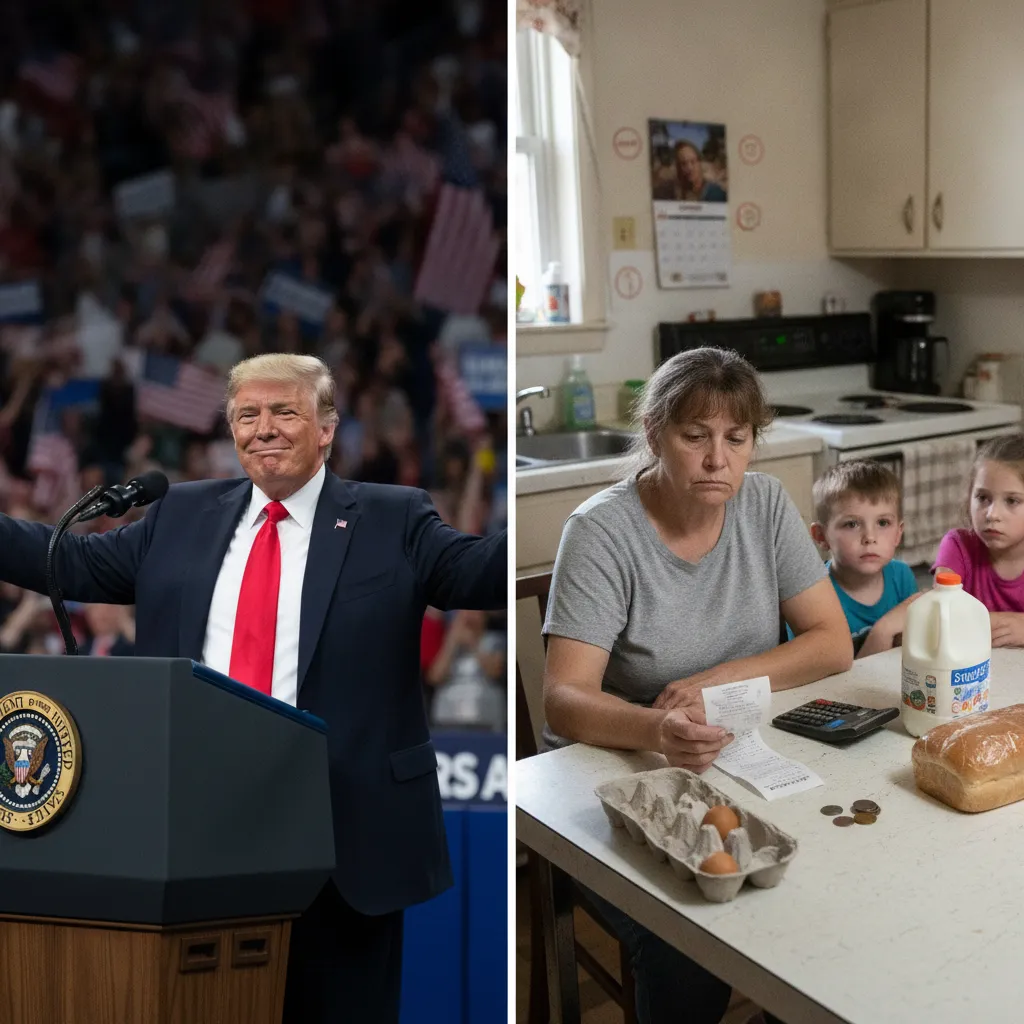
Standing before a cheering crowd at the Majestic Valley Arena in Kalispell, Donald Trump painted a picture of an American economy firing on all cylinders. During his stop in Montana, the former president insisted that poverty is plummeting while incomes rise, claiming that trillions of dollars in investment are fueling new plants across the state. Despite fresh data showing inflation climbing to 3.7 percent over the last year, Trump dismissed the notion of rising costs entirely, telling his supporters that everyone is having a good time and that the nation has essentially seen no inflation.
However, for many of those waiting in line to hear him speak, the view from their own bank accounts tells a different story. Supporters shared anecdotes of survival rather than prosperity, describing a daily grind defined by strategic budgeting and sacrifice. Moneen Ahlquist, an 84-year-old from Missoula, explained how she meticulously plans her outings to minimize gas consumption and hunts for pennies in discounts at grocery store pumps just to stay afloat. Similarly, Megan Gurhlke noted that even with three adults working full time on her family’s dairy farm, they struggle to make ends meet because prices have become simply unbearable.
Despite these hardships, there remains a striking disconnect between the financial pain these voters feel and who they hold responsible for it. Many attendees brushed aside their personal struggles as temporary hurdles or blamed current administration policies instead of Trump’s economic agenda. Local business owners like Gary Hanson admitted that things are currently getting worse but expressed faith that Trump possesses the long term vision necessary to reverse the trend. For others, loyalty transcends the price tag; Jennifer Piperakis lamented the two hundred dollar cost of filling her diesel truck but maintained her unwavering support based on Trump’s perceived commitment to veterans.
This tension arrives at a critical juncture as midterms approach and polling indicates that economic anxiety could threaten the narrow Republican majority in Congress. While Trump continued to cite stock market gains and defend his tariff strategies as drivers of national wealth, he remained steadfast in his claim that Americans are thriving regardless of the numbers reported elsewhere. As he concluded his Western swing, his message stayed consistent: despite any anecdotal evidence of hardship, he believes the country is richer than ever before.